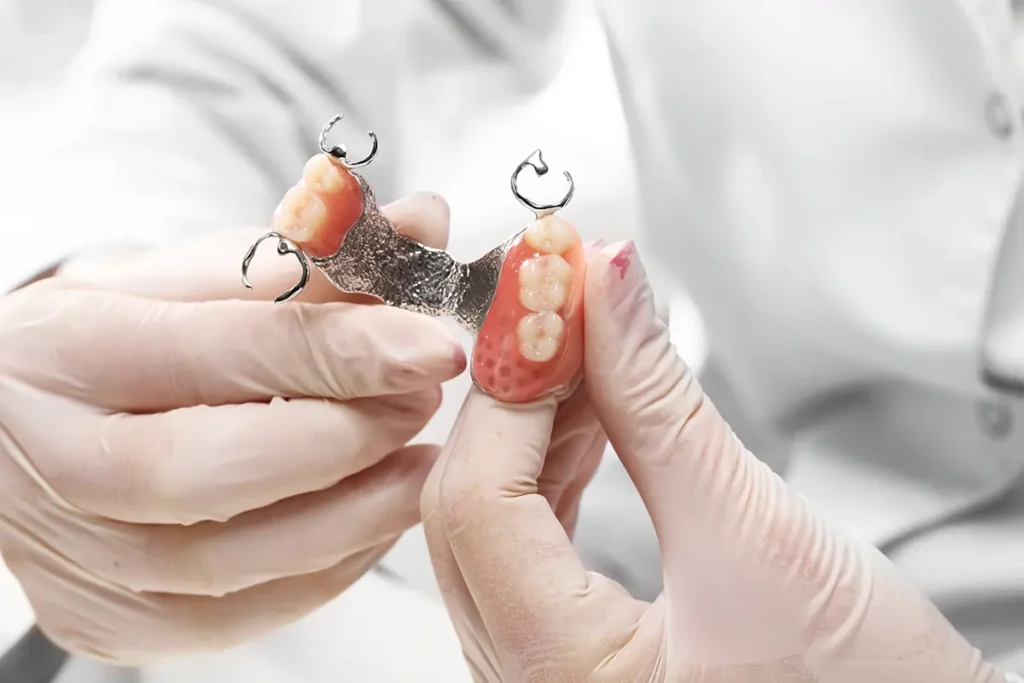
Did you know dental bridges can last up to 15 years with proper care? It’s important to understand how long they last and what affects their lifespan. This is key for those thinking about getting a bridge to replace teeth.
Dental bridges are a big investment to fix both how your teeth work and how they look. Knowing how long they can last is crucial.
The tooth bridge lifespan depends on the type of bridge and how well you take care of it. Traditional bridges usually last 10 to 15 years.
Dentists suggest good oral hygiene and regular dental visits to make your bridge last longer. This includes using floss threaders or water flossers.
By following these tips, you can keep your dental bridges working well for a long time. We’ll explore more about what makes bridges last longer in the next sections.
Factors Influencing Dental Bridge Durability
The life of a dental bridge can range from 5 to 15 years. This depends on several factors. The material used in making the bridge is a big factor. Gold bridges are durable but not as popular today because they don’t look as good.
Porcelain bridges are more popular because they look better. However, they might not last as long as gold bridges.
Keeping your teeth clean is also key. You need to brush and floss well to avoid problems. The American Dental Association (ADA) suggests regular dental visits to catch any issues early.
What you eat can also affect your bridge. Eating hard or sticky foods can damage it. If you grind your teeth, wearing a nightguard can help protect your bridge.
The type of bridge you get matters too. Traditional bridges usually last about seven years. But, if there are problems with the teeth next to them, you might need a new one sooner.
Cantilever and Maryland bridges last five to seven years. But, implant-supported bridges can last a lifetime if you take good care of them.
Good oral hygiene is crucial for your bridge to last. Brush, floss, and use mouthwash regularly. Also, see your dentist every six months. Avoiding bad habits and choosing the right foods can help your bridge last longer.
Types of Dental Bridges and Their Lifespan
Knowing about the types of dental bridges is key to understanding their lifespan. Each type meets different dental needs. They use various materials and support systems. Dental bridges can last from 5 to 15 years or more, based on materials, tooth location, and care.
Traditional Bridges: These are the most common. They rely on nearby teeth for support. With good care, they can last 10 to 15 years.
Cantilever Bridges: These are for when there’s only one tooth next to the gap. They last 5 to 10 years. Keeping them clean is crucial.
Maryland Bridges: Also called resin-bonded bridges, they use metal frameworks. They last 5 to 8 years because of their bonding method.
Implant-Supported Bridges: These use dental implants for support. They offer great stability. With care, they can last 15 to 25 years or more.
Porcelain and Ceramic Bridges: These are known for their beauty. They last about 5 to 7 years. With good care, they can last 10 to 15 years.
Porcelain-Fused-to-Metal (PFM) Bridges: These mix metal durability with porcelain’s look. They usually last 10 to 15 years.
Metal Bridges: Made from gold or metal alloys, they are very durable. They can last over 15 years, sometimes up to 20 years with proper care.
Zirconia Bridges: These are both durable and look natural. They can last 15 to 20 years or more.
Composite Resin Bridges: These are often seen as a temporary fix. They usually last a few years.
Making dental bridges takes 2 to 4 weeks. This includes steps like consultation, impression taking, and fitting. Keeping your teeth clean, using fluoride toothpaste, and avoiding hard foods help your bridge last longer. Regular dentist visits are also important.
Maximizing the Lifespan of Dental Bridges
Keeping a dental bridge in good shape requires lifestyle changes and a strict oral care routine. Brushing and flossing regularly are key. These habits prevent problems that could shorten a bridge’s life.
Eating a healthy diet and visiting the dentist often are also important. Avoiding hard and sticky foods helps protect your bridge. Regular dental check-ups help catch and fix any issues early.
Acting quickly when teeth are lost and choosing the right dental work for you can make a big difference. Taking care of your bridge, like fixing looseness or decay, can extend its life. Wearing mouthguards can also help if you grind your teeth, protecting your bridge from wear.
Dental bridges can last from 5 to 15 years, or even longer with good care. Using high-quality materials like porcelain or ceramics can make your bridge last longer.
In short, good oral hygiene, regular dental visits, quality materials, and careful bridge maintenance are essential. These steps help ensure your dental bridge lasts as long as possible.
Conclusion
Knowing how long a tooth bridge lasts is key for those thinking about getting one. Dental bridges usually last 5 to 15 years. But, with good care, some can last over 20 years.
The bridge’s life depends on the materials used. High-quality materials like porcelain and ceramic last longer and look better. Implant-supported bridges are also durable and great for replacing many teeth.
Keeping your bridge in good shape is crucial. Brushing, flossing, and dental check-ups help a lot. Avoid hard and sticky foods and use a mouthguard if you grind your teeth.
Also, eating less sugary foods and quitting smoking helps protect your bridge and teeth. This prevents decay and gum disease.
To sum up, a dental bridge greatly improves how you look and feel. By understanding how to care for it and keeping up with maintenance, you can make it last. Regular care ensures your bridge stays strong and effective for years.