Ever thought about stopping a cavity from getting worse? It’s a common worry for many, as tooth decay can spread fast. Cavities don’t pop up out of nowhere. They come from a mix of diet, how well you brush your teeth, and your genes.
So, can you really stop a cavity from spreading? To find out, we need to understand cavities, how they form, and what we can do to prevent them.
Key Takeaways
- Cavities develop when acid erodes the enamel, leading to tooth decay.
- Early intervention, such as fluoride treatments, can slow and sometimes reverse early-stage decay.
- Consistent oral hygiene practices like brushing and flossing are essential for cavity prevention.
- Rinsing with salt water or chewing Xylitol gum can help combat cavity-causing bacteria.
- Regular dental check-ups are key to catching and treating cavities early.
Understanding What a Cavity Is
A cavity is a hole in a tooth caused by tooth decay. It starts when bacteria in your mouth break down sugars from food and drinks. This creates acids that wear away the tooth enamel, leading to cavities if not treated.
Early signs of cavities are white spots on your teeth. These spots can turn brown and cause sensitivity. Catching these signs early is key to stopping cavities before they get worse.
Cavities are common in all ages. They often form in the back teeth, where it’s hard to clean. This makes them more likely to trap food and bacteria, leading to cavities.
Children and teens are at high risk, with almost 20% of 5- to 11-year-olds having untreated cavities. Adults are also affected, with about 92% of those aged 20 to 64 having had cavities.
Children’s molars come in at specific ages, making early oral hygiene important. Kids aged 3 to 6 should use only a pea-sized amount of toothpaste to avoid fluorosis.
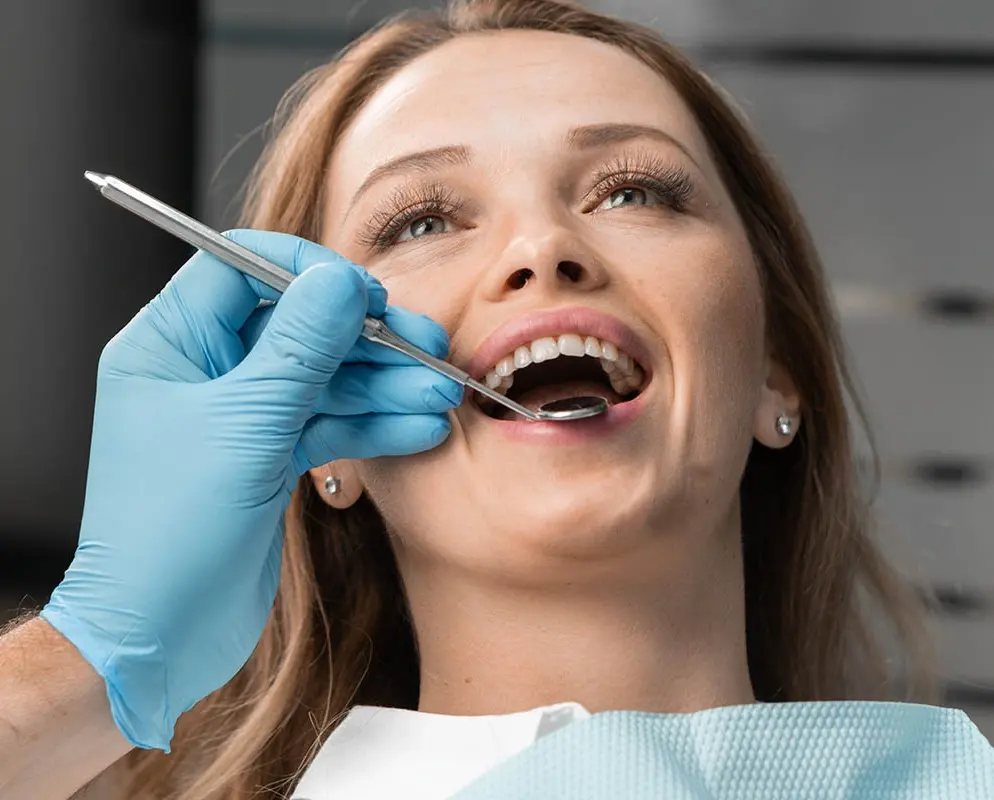
Regular dental visits, every six months, are key to cavity prevention. They include plaque removal and checks for decay. This helps keep your teeth healthy and catches problems early.
What you eat also affects cavity risk. Foods that stick to your teeth, like dried fruits and sugary snacks, are more likely to cause cavities. Dry mouth, caused by some medications, also increases risk by reducing saliva.
Fluoride treatments and sealants are great for preventing cavities. Sealants can cut decay in molars by nearly 80% for two years. Fluoridated water also helps, reducing cavities by about 25% in both kids and adults.
Can I Stop a Cavity from Spreading?
Acting fast is key to stopping cavities from getting worse. Cavities happen when acid eats away at the enamel on teeth, causing decay. It’s important to tackle this problem quickly to stop cavities from growing and to avoid bigger dental issues.
Good daily oral care is essential. Brushing your teeth at least twice a day helps prevent new cavities. Using fluoride toothpaste can strengthen your teeth against decay. Don’t forget to floss every day to remove food and plaque that can cause cavities.
Drinking enough water is also important for your teeth. A dry mouth can lead to more bacteria, which cause cavities. Staying hydrated helps keep your mouth moist and fights tooth decay.
Professional dental treatments can also help stop cavities from getting worse. Dentists can apply fluoride treatments to strengthen your enamel. Dental sealants can protect your back teeth from cavities. Rinsing with saltwater and chewing Xylitol gum can also slow down cavity growth, but they can’t reverse decay.
Don’t wait to see a dentist. Cavities are infections that can spread if not treated. A dentist can stop cavities from getting worse and prevent serious problems like nerve damage and abscesses.
In short, taking care of your teeth, staying hydrated, and getting professional dental help are important steps to stop cavities. Acting quickly can prevent serious problems and keep your teeth healthy.
Conclusion
To stop cavities from spreading, we need to take action early. This means following good dental care tips, going to the dentist regularly, and acting fast when we notice any problems. Finding cavities early is key; they often start as small white spots that can be fixed if caught soon enough.
As cavities grow, they move from the enamel to the dentin, and then to the pulp. This can lead to needing a root canal. Knowing these steps helps us prevent cavities.
Using fluoride products like toothpaste and mouth rinses approved by the ADA is very helpful. Dental sealants also protect the back teeth from cavities, which is great for kids and teens. Going to the dentist every six months is important for catching cavities early and keeping your teeth healthy.
Good oral hygiene is also key. Brush your teeth twice a day with fluoride toothpaste, floss, and cut down on sugary foods and drinks. Regular dental visits help keep an eye on your teeth and stop cavities from getting worse. By following these steps and getting dental advice, you can keep your smile healthy and strong.